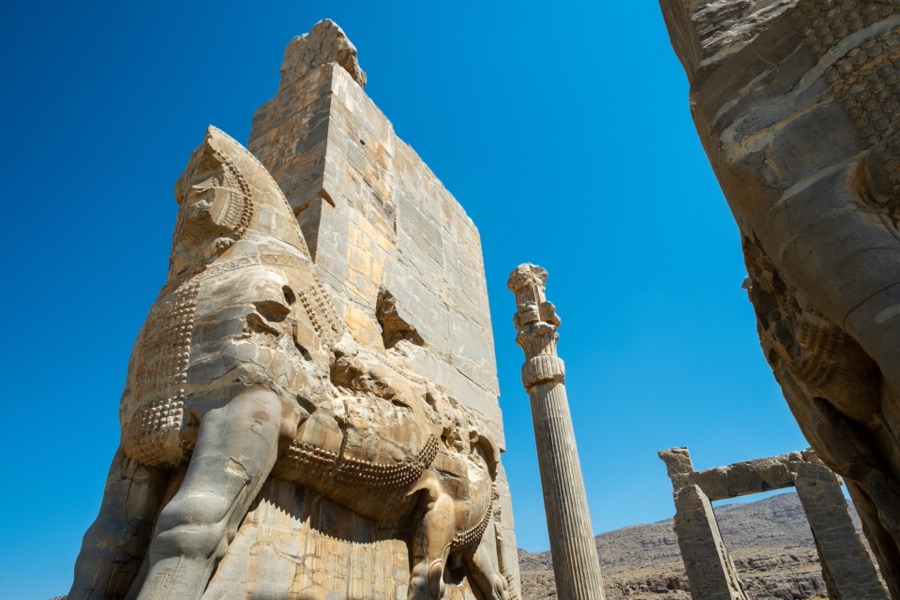
In brief. Persia is the name used by the Greeks and later Europeans for the land of Fars and then for the whole country. Iran is what Iranians have long called their land.
People use two names for the same country, and many wonder which is correct. The short answer is that both are.
Where Persia comes from
The Achaemenid kings came from Pars, today’s province of Fars in the south-west. The Greeks called this region Persis, and later extended the name to the whole empire and its language. The form Persia then passed into Latin and into most European languages. In English, “Persian” still names the language, the cat, the carpet and the culture.
Where Iran comes from
Iran is the Persian-language name for the country. It goes back to an old Iranian word meaning “of the Iranians”, and the Sasanian state called itself Ērānšahr. Iranians have used the name for many centuries, including in the Shahnameh, for the lands of their people as opposed to their neighbours.
What changed in the 20th century
In 1935 the Iranian government asked foreign governments to use “Iran” in official contact. The reasons given at the time included consistency with what Iranians call their land. Some people objected, because “Persia” had the weight of history and was widely known. In 1959 it was stated that both names were acceptable.
The 1935 request concerned the name used in official foreign correspondence. It did not change the status of the Persian language or the term “Persian culture”.
How Irooni uses them
We use Iran for the modern country and its people, and Persia and Persian for the ancient empires, the classical culture, the language and the arts. The magazine’s own name, Irooni, means “Iranian”. Using the two names carefully is a small way of respecting both the history and the people.
Notes and sources
- Encyclopaedia Iranica, entry 'Iran' (iranicaonline.org). Exact entry title and author to be added after the entry is opened.
- Ehsan Yarshater (ed.), The Cambridge History of Iran, vol. 1 (Cambridge University Press, 1968).
This article is also available in: Nederlands فارسی